Sri Lanka after Cyclone Ditwah
More than a month after the storm, over a million people remain in need as flooding, displacement and funding gaps slow recovery.
John Payne
2/4/20262 min read
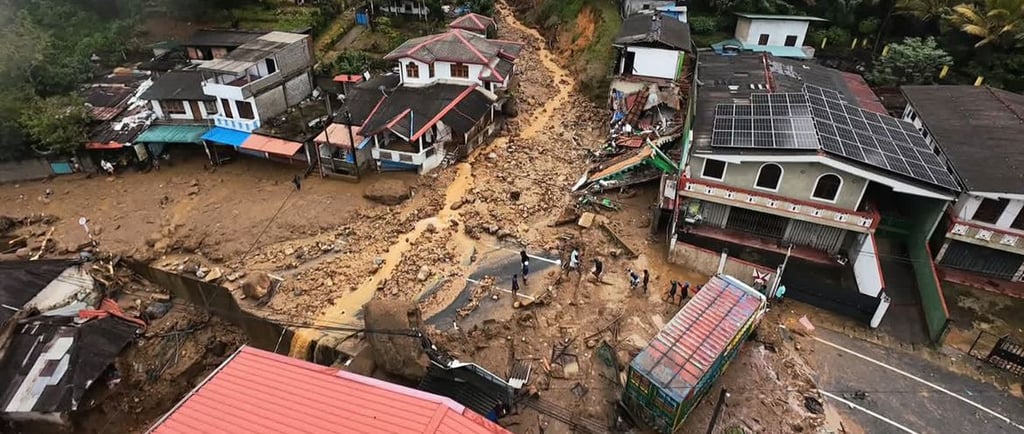
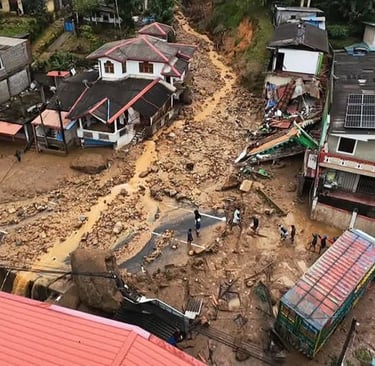
Mud still coats the floors of homes in Sri Lanka’s eastern districts weeks after Cyclone Ditwah made landfall on 28 November, according to United Nations reporting. In some areas, families who had begun returning home were forced to leave again after renewed rains triggered fresh flooding and landslides.
Nearly a month after the cyclone tore across the island, more than one million people remain in urgent need of humanitarian assistance, UN assessments show. Among them are over half a million children. Floodwaters and landslides spread across all 25 districts, compounding what aid agencies describe as one of the country’s worst disasters in decades.
The cyclone first hit the eastern coast, setting off widespread destruction that later extended inland. Central districts including Kandy, Nuwara Eliya and Polonnaruwa were among those affected by subsequent heavy rains that caused road closures and new displacement.
According to UN estimates, about 1.8 million people, roughly eight percent of Sri Lanka’s population, have been affected overall. More than 1.2 million are assessed as needing humanitarian support, including nearly 527,000 children.
Displacement remains widespread. The International Organization for Migration estimates that more than 272,000 people are still displaced, many staying with host families while others shelter in schools, religious buildings and community centres. Authorities reported 643 deaths by mid-December, with 183 people still missing. More than 107,000 homes were damaged or destroyed, making shelter one of the most urgent needs.
Food insecurity is rising as livelihoods have been disrupted. UN reports indicate that nearly one in three households is now food insecure, with families reducing meals as a coping strategy. The World Bank has estimated total damage at $4.1 billion, equivalent to about four percent of Sri Lanka’s gross domestic product. Agricultural losses alone exceed $800 million, with more than 58,000 hectares of paddy land flooded in eastern districts.
Children face heightened risks as education and basic services remain disrupted. UNICEF reports critical gaps in child protection, education, nutrition and water and sanitation services. More than 1,300 schools and six universities sustained damage, and about 500 schools continue to function as temporary shelters. Many displaced children are living in overcrowded conditions where inadequate lighting, privacy and sanitation increase protection risks.
Humanitarian agencies have scaled up emergency assistance. UNICEF and partners have reached more than 76,000 people with water and sanitation services, nearly 9,000 with nutrition support and over 5,600 with child protection services. Still, agencies warn that needs continue to outpace resources.
At the government’s request, UN agencies and humanitarian partners have launched a Humanitarian Priorities Plan seeking $35.3 million to support the most vulnerable. As of late December, less than half of the funding required for UNICEF’s emergency response for children had been received or pledged. Aid groups caution that without sustained support, recovery will remain slow, particularly for children whose education, safety and well-being are at risk as the country faces a long and difficult recovery.
Aid Meridian Ltd
ABN 62 688 406 117
Registered Australian Charity & Public Benevolent Institution
Endorsed as a Deductible Gift Recipient (DGR)
Donations of $2 or more are tax deductible in Australia.
© 2025. All rights reserved.